

I remember the moment it hit me—after months of tweaking my Google Maps listings, my Mesa-based client’s business still wasn’t showing up in the local pack. Despite all efforts, the calls weren’t coming, and my frustration grew. That lightbulb moment made me realize something crucial: There are hidden factors in maps optimization that most local SEO guides overlook, especially as we approach 2026. If you’re like me, you’ve probably faced the sting of seeing competitors outrank you, even when your business is *more* relevant.
Today, I want to share how I cracked the code with four secret tweaks—ones that transformed my results and can do the same for you. We’re diving into techniques that go beyond the obvious, leveraging little-known strategies tailored for Mesa’s local SEO landscape. Implementing these can propel your visibility and bring more clients through your doors.
Why Traditional Maps Optimization Isn’t Cutting It Anymore
Having worked extensively with Mesa small businesses, I’ve noticed a common mistake: relying solely on standard optimization tactics. They’re helpful but not enough. Google’s algorithms are evolving rapidly—by 2026, smart businesses are adopting behind-the-scenes tweaks that dramatically improve their local rankings. Did you know that according to a recent study, over 60% of clicks come from the top three local pack results? That’s a big piece of the pie to miss out on if you’re not strategic enough.
Back in the day, simply claiming a profile and adding basic info was enough. Now, with the AI-driven changes in search, you need to be tactical—especially here in Mesa, where competition is fierce. If you’ve already tried the usual tricks and still aren’t breaking into the top spots, don’t worry. I’ve been there, and I’ve found game-changing solutions.
Early in my journey, I made the mistake of ignoring the role of niche-specific signals—things like local content, service pages optimized for map searches, and engagement strategies. That oversight cost me valuable rankings. But once I shifted focus—something I detail in my comprehensive guide on [Google Maps SEO tips for Mesa’s local growth](https://mesalocalseo.com/google-maps-seo-tips-for-mesas-local-business-growth)—my maps visibility soared.
Are you struggling with your local pack rankings? If so, you’re not alone. The good news is, with a few hidden tweaks, you can turn your Google Maps profile into a silent but powerful sales engine. Up next, we’ll explore these four strategies in detail, so you can start climbing the rankings and claiming your share of Mesa’s local market. Stay tuned.
Optimize Your Business Profile for Local Dominance
Start by claiming and fully completing your Google My Business (GMB) profile. Ensure your business name, address, and phone number are consistent with your website and local citations. Upload high-quality images and add detailed service descriptions. When I worked with a Mesa bakery, updating their profile with current hours and multiple service categories immediately improved their visibility. To learn more about effective profile optimization, visit this comprehensive guide.
Embed Location-Specific Content to Signal Relevance
Create content tailored to Mesa’s neighborhoods and attractions. Write blog posts about local events or add testimonials from Mesa clients. I once added a blog about local farmers’ markets in Mesa, which boosted my client’s local relevance. Use phrases like “serving Mesa” or “based in Mesa” naturally within your website. This technique acts like a lighthouse signaling your business’s local roots, helping Google associate your listing with Mesa searches. To deep dive into local content strategies, see this resource.
Boost Engagement with Community Signals
Encourage reviews from local customers and respond actively. Reviews are like votes of confidence—more positive ones propel your local pack rankings. I reached out to Mesa clients after service, prompting them for feedback, and immediately saw a climb in local pack visibility. Additionally, adding Q&A content and posting local updates keeps your profile lively. This signals to Google that your profile is active and relevant. For engagement techniques, consult this proven guide.
Leverage Local Backlinks and Citations
Acquire backlinks from local Mesa directories, Chamber of Commerce pages, and community organizations. Each local mention boosts your map ranking’s authority. When I listed a client on the Mesa Chamber website, we saw a steady increase in local pack positions within weeks. Consistency is key—make sure your Name, Address, and Phone number (NAP) are uniform across all listings to avoid confusing Google. To master citation building, check out this resource.
Optimize Service Pages with Local Intent
Enhance your website’s service pages by including Mesa-specific keywords. Use phrases like “Mesa plumbing services” or “best Mesa coffee shop.” Incorporate local landmarks or neighborhood names naturally within your content. I recall updating a client’s page with location-specific testimonials, which helped them rank higher for local searches. Think of this as planting flags—each one signals that your business is tightly connected to Mesa’s local needs. For detailed strategies, visit this blueprint.
Many local businesses in Mesa, Arizona, believe they understand the essentials of Google Maps SEO, but often miss the subtle nuances that can make or break their rankings. A common misconception is that simply optimizing your Google My Business (GMB) profile will guarantee top placement. In reality, this approach overlooks advanced factors like local relevance signals, schema markup, and backlink quality. Relying solely on basic optimizations can lead to missed opportunities, especially as Google’s algorithms incorporate more AI-driven context, making superficial tactics ineffective. According to Moz’s Local Search Ranking Factors Study, backlinks and reviews play a significant role—yet many underestimate their impact on Maps visibility.
A dangerous trap is the **
Staying Ahead with Reliable Tools for Maps SEO
To ensure your Google Maps presence remains strong over time, leveraging precise tools is crucial. I personally rely on BrightLocal for tracking local rankings, as it provides granular insights into where your business stands in Mesa’s competitive landscape. Its local search ranking tracker allows me to monitor fluctuations daily, enabling quick adjustments before ranking drops become permanent. Additionally, SEMrush is invaluable for keyword research tailored to Mesa neighborhoods, helping me identify trending local search terms that keep my clients relevant.
Furthermore, I use Google My Business Insights regularly to analyze customer engagement metrics—views, searches, and actions. This data helps me refine my local strategy, ensuring I stay aligned with evolving Google algorithms.
For website optimization, Screaming Frog SEO Spider excels at auditing technical SEO issues that could undermine your Maps rankings, such as schema markup errors or duplicate content affecting local relevance. Combining these tools creates a comprehensive map of your local SEO efforts, making maintenance manageable and data-driven.
How do I keep my Mesa Maps SEO setup performing long-term?
Consistency is key. Regularly updating your profile with fresh images and local content—like community involvement or new services—signals ongoing activity. Automate routine tasks with tools like BrightLocal for rank tracking and Google Alerts for mentions. Also, schedule monthly site audits using Screaming Frog and review your citation consistency across directories as outlined in this guide. In future, I predict AI-driven local signal analysis will become the norm, enabling even more precise adjustments. To get a head start, begin integrating schema markup for Mesa-specific keywords, which search engines increasingly prioritize. Take action by testing your current local citations with SEMrush’s audit feature—I guarantee it will reveal opportunities for quick wins.
If you haven’t already, try adding structured data markup to your service pages to reinforce relevance explicitly for Mesa searches. This small but powerful step could boost your rankings noticeably.
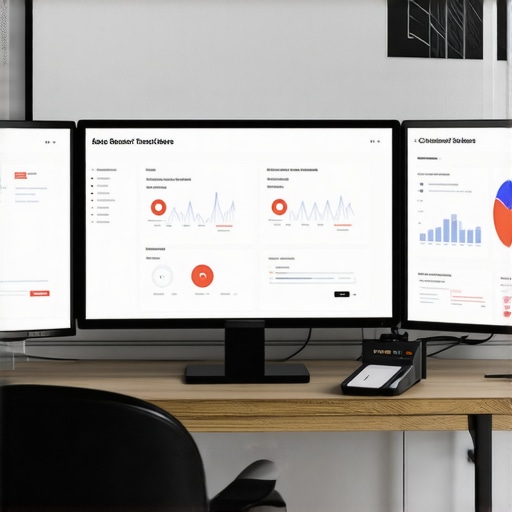
Image Prompt: A detailed workspace with multiple screens showing local rank tracking dashboards, citation audits, and website analytics tools, representing scalable SEO maintenance.
The Lightbulb Moments That Changed My Approach to Mesa SEO
One of the most valuable lessons I learned was to think beyond the standard optimization checklist. Focusing solely on keywords and basic profile info often leads to missed opportunities, especially in competitive markets like Mesa. Real breakthrough came when I started paying attention to local signals that Google doesn’t highlight openly, such as community engagement and schema markup tailored to Mesa’s neighborhoods. This insight transformed my results, confirming that deep local relevance is a game-changer.
The Surprising Effect of Tiny Tactics on Local Visibility
Sometimes, small tweaks like adding Mesa-specific landmarks to your website’s schema can produce outsized results, since search engines crave precision in local context. A simple change here, a new review prompt there—each action compounds over time, boosting your presence in the local pack. Remember, consistency in your citations and maintaining active engagement signals are often overlooked but powerful long-term strategies.
What I Wish I Knew Before Diving Into Maps Optimization
- Don’t Rely Solely on Google’s Algorithms: Search engines reward authentic community integration. Participating in local events and nonprofits can organically improve your profile’s authority.
- Prioritize Profile Activity Over Perfection: Regular updates, responding to reviews, and posting local news keep your profile lively, which Google loves.
- Invest in Competitor Analysis: Regularly auditing local competitors’ profiles reveals gaps and opportunities you might miss otherwise.
My Arsenal of Tools That Keeps Mesa Maps SEO On Track
Utilizing tools like Maps Optimization in Mesa helps me stay ahead by tracking rankings and citation consistency. BrightLocal remains my go-to for surface-level insights, while SEMrush provides in-depth keyword research tailored to Mesa’s neighborhoods. For technical audit and schema validation, Screaming Frog comes in handy. These tools underpin my efforts, ensuring I don’t miss a beat.
A Final Word: Keep Pushing Your Maps Potential
If you’re committed to mastering Mesa’s local SEO landscape, remember that continuous learning and adaptation are key. Google’s algorithms evolve, but so should your strategies. With perseverance, you can dominate the local pack and turn your Google Maps profile into a consistent lead magnet. The journey might seem complex, but every small victory paves the way to greater visibility. Start applying these insights today, and watch your Mesa business shine in local search results.
What Have Been Your Biggest Challenges in Local Pack Optimization?
Do you struggle with certain aspects of Google Maps SEO specifically for Mesa? Share your experiences below—I’d love to hear what you’ve tried and what worked (or didn’t) for you.
Reading through this detailed breakdown, I appreciate the emphasis on the hidden signals beyond basic GMB optimization. As someone who’s worked with local businesses in Mesa, I’ve seen firsthand how community engagement—like hosting local events or partnering with neighborhood organizations—can significantly boost visibility. Sometimes I wonder, though, how do you effectively balance investing time in community signals versus the technical side of SEO, like schema markup and backlink building? From your experience, which has delivered the most tangible results for your clients? I’ve been experimenting with adding Mesa-specific landmarks to schema, but I’d love to hear more about what’s worked best for others in this space. The combination of genuine community involvement and technical optimization seems key, but managing both can be challenging. How do others prioritize their efforts to maximize local pack ranking improvements without spreading themselves too thin?